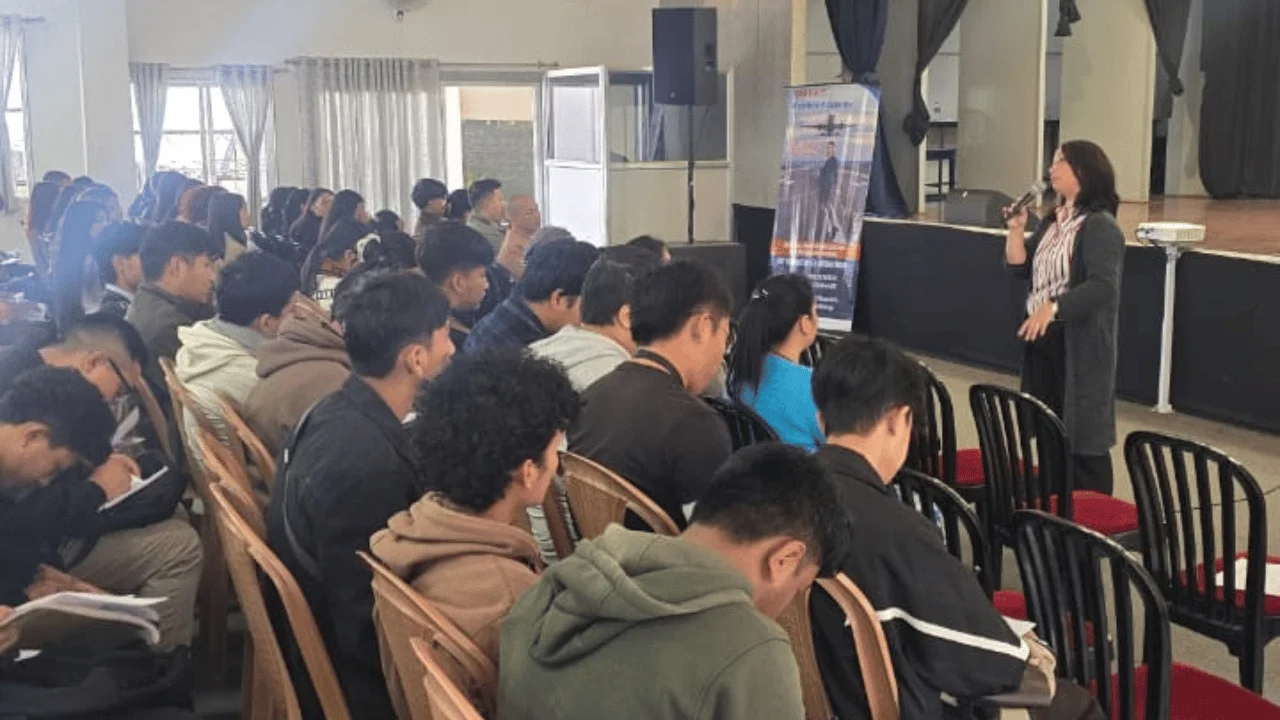
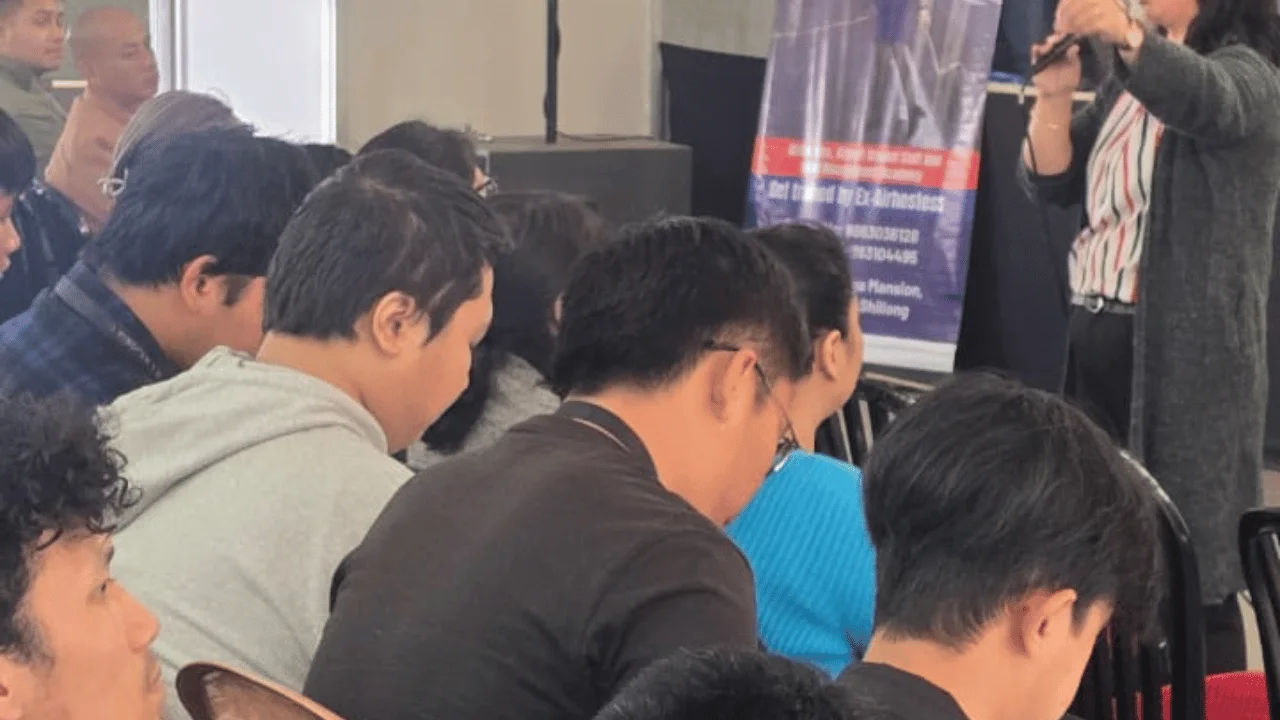
In underserved regions, many students manage to complete schooling and even graduation. Families make sacrifices, loans are taken, and expectations quietly build. Yet after receiving a certificate, reality often feels unchanged. Months pass without employment. Applications go unanswered. Confidence begins to decline. The problem is rarely lack of intelligence. It is lack of exposure. Many students have never attended a professional interview, prepared a structured resume, or understood workplace expectations. Communication gaps, limited industry awareness, and absence of practical training create invisible barriers. Degrees alone cannot bridge these gaps. For a young person stepping into the job market for the first time, structured skill preparation makes the difference between hesitation and readiness. The transition from classroom learning to professional responsibility requires guidance, discipline, and practical understanding of employer expectations.
Skill development goes beyond technical ability. It includes punctuality, grooming, documentation readiness, professional conduct, and clarity in communication. For many first-generation graduates, these aspects are unfamiliar but critical. Structured preparation gradually builds confidence. When students understand employer expectations, interviews become less intimidating. When communication improves, opportunities widen. When discipline becomes habit, performance strengthens. The shift may appear small from the outside, but internally it transforms how young individuals see themselves. Employment secured through preparation carries a different weight. It is not accidental. It is earned through consistency and guidance. Over time, this structured transition from education to skill to employment reduces uncertainty and strengthens long-term financial stability for families who once struggled to see beyond graduation.

Supporting underserved students from education to employment, building stability and long-term independence across Meghalaya.